How AI Can Free Us to Do Our Best Work
When AI takes over the frustrating parts of our jobs, it lets us focus on the work that really matters. How can leaders design AI to help people, not replace them?
2/13/20262 min read
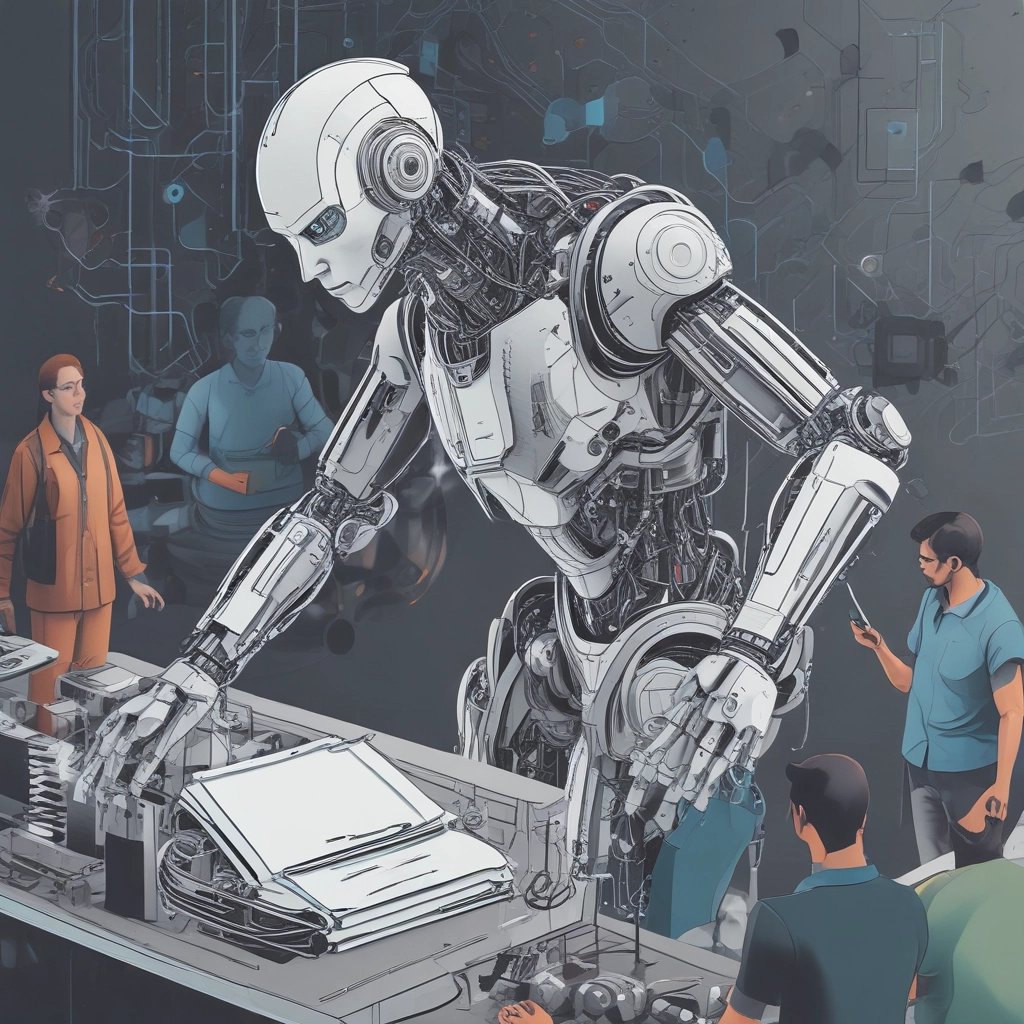
Burnout at work is a complicated issue. Most people think it happens because the work is too hard or too demanding. But often, burnout comes from something less obvious: inefficient, repetitive, and disjointed tasks that drain our energy without adding meaning. When our days are filled with fragmented work and constant interruptions, it wears us down more than the complexity of the job itself.
This is where AI can play an important role. Instead of thinking about AI as a way to replace workers or speed everything up, what if we saw it as a tool that takes care of the tedious, time-consuming parts so people can focus on what really requires a human touch? Creative problem-solving, exercising good judgment, building relationships—these are the parts of work that AI won’t take over anytime soon, and they are also the parts of work that inspire and engage us.
The change from AI handling simple, repetitive tasks to actually amplifying human strengths is subtle, but it has a deep impact on how teams experience their work every day. To achieve this, leaders and technologists must design AI tools with empathy and a focus on user experience. This means paying attention to how the technology fits into people’s workflows and how it supports their goals, rather than just squeezing in technology for the sake of efficiency.
For both small businesses and large enterprises, the goal should always be to empower people rather than replace them. When AI extends what each person can do, instead of pushing them out of the picture, it creates space for sustainable growth and healthier work environments. Employees feel valued because they get to spend more time on meaningful work and less on tasks that leave them exhausted.
I often wonder how different our teams would feel if AI were introduced as a tool for extension rather than replacement. Would people be more motivated? Would innovation improve? Would trust between leadership and employees grow stronger? These are essential questions for anyone thinking about AI adoption today.
From what I hear and see across various organizations, there is a real mix of excitement and hesitation. Some teams are beginning to embrace AI as a helpful partner, while others remain cautious, worried that technology will create distance or disrupt the human connections that matter. This balance is difficult, but it’s where thoughtful leadership is critical.
At the end of the day, integrating AI successfully is less about the technology itself and more about how leaders manage change with care. It’s about clear communication, setting realistic expectations, and maintaining boundaries that protect employee well-being. The most sustainable growth happens when people trust that technology is there to support their work and enhance their strengths.
If we treat AI as a tool that assists rather than replaces, it can free us up to do what humans do best: think deeply, create boldly, and connect genuinely. That kind of work doesn’t just benefit organizations; it benefits the people who make those organizations possible. How might your team’s experience improve if AI was designed to amplify human potential instead of just automating tasks? These are the questions worth exploring as we move forward.