The Quiet Power of Human-Centered AI in Supporting Employee Confidence
AI works best when it feels like a trusted teammate, quietly helping employees build confidence and move forward. Let’s rethink success beyond metrics and focus on the human experience at work.
1/29/20262 min read
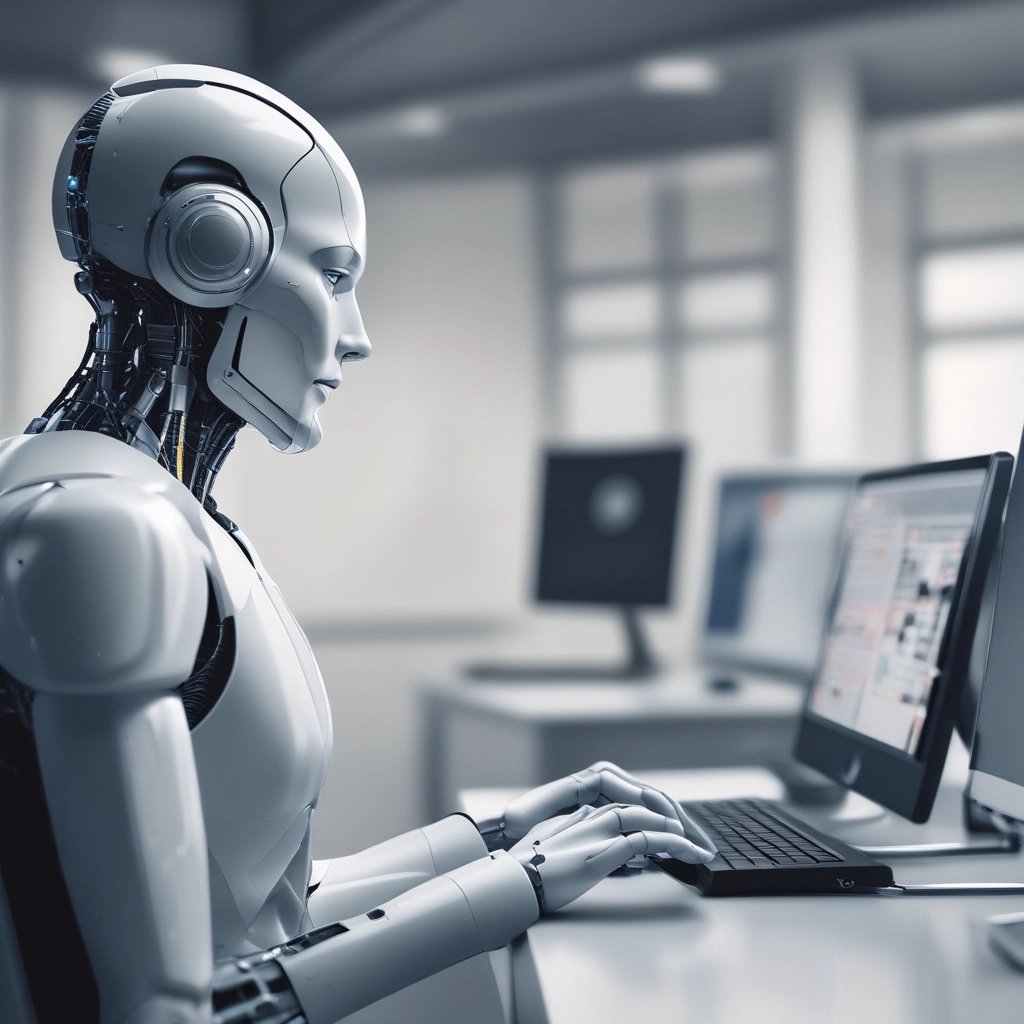
There is a noticeable difference between telling someone to “figure it out yourself” and giving them a clear sense of “I’ve got support.” The first can leave a person feeling isolated and overwhelmed, while the second fosters a feeling of empowerment and confidence. When it comes to integrating artificial intelligence in the workplace, this distinction matters deeply.
Many organizations look at AI success by tracking deflection rates—how often AI answers questions without needing human intervention. While this is a useful metric, it misses a crucial part of the picture. What if the real measure of success is how much confidence and momentum employees gain from AI as they work? When AI subtly helps people solve problems faster and with less frustration, work stops feeling like a confusing maze and starts to feel like meaningful progress toward clear goals.
Effective AI doesn’t announce itself with loud pop-ups or demanding notifications. Instead, it gets woven into the flow of work, acting as a trusted colleague rather than just a tool or a distraction. This quiet presence is the essence of human-centered AI design. It’s not only about technology that functions well. It’s about creating experiences that make people feel capable and supported, not left behind or abandoned.
This difference becomes even more important when you consider the variety of workplaces today. Small and medium-sized businesses, often working with lean teams, need AI that amplifies each employee’s ability to deliver without adding noise or complexity. Meanwhile, large enterprises managing complicated processes and sprawling teams require AI systems that reduce friction and help people move forward with confidence rather than confusion.
When employees feel that “I’ve got this,” it shapes the entire work environment in positive ways. Confidence builds trust—not just trust in the technology but trust among teams and leaders. Clear boundaries form as people understand when and how AI supports them and when collaboration with human colleagues is needed. This leads to sustainable growth because people are energized to solve problems independently while knowing support is there if needed.
In many ways, the best AI acts like an experienced team member whose job is not to take over but to quietly clear the path, making work feel more meaningful and less frustrating. This approach honors the human side of work, recognizing that technology’s purpose is to enhance our capabilities and experiences, not replace human judgment or connection.
As the workplace continues to evolve with AI, organizations that prioritize human-centered design will likely see lasting benefits. Success will not only be measured by efficiency or reduced costs but by the moments when someone at work quietly thinks, “Yeah, I’ve got this.” That is the kind of confidence that fuels continuous learning, innovation, and sustainable success.